
i-doit INDART - Your software for intelligent IT contingency planning
IT emergency management in 5 days
i-doit INDART supports the structured planning and maintenance of IT emergency measures. Clear processes and automated functions ensure that emergency plans are always ready for use.
4.7/5 on Capterra | 2,000+ satisfied customers

IT emergency management with a system
From emergency response to restart planning - efficient, coordinated and software-supported

business operations after disruptions
external reputational damage
Advantages of your IT contingency planning
A clear procedure is defined by
the software
Updating the data with
just one mouse click
Verification at any time
for tests and audits
Shared database with other
i-doit solutions
Highlighting hidden head monopolies by
the presentation of responsibilities
Individual IT emergency & IT operations manual
Our editions for i-doit INDART at a glance
The right solution for IT emergency planning &
IT emergency management - transparent and clear
6 steps to optimal emergency planning
The information security software that provides you with a guide to
1. Recording
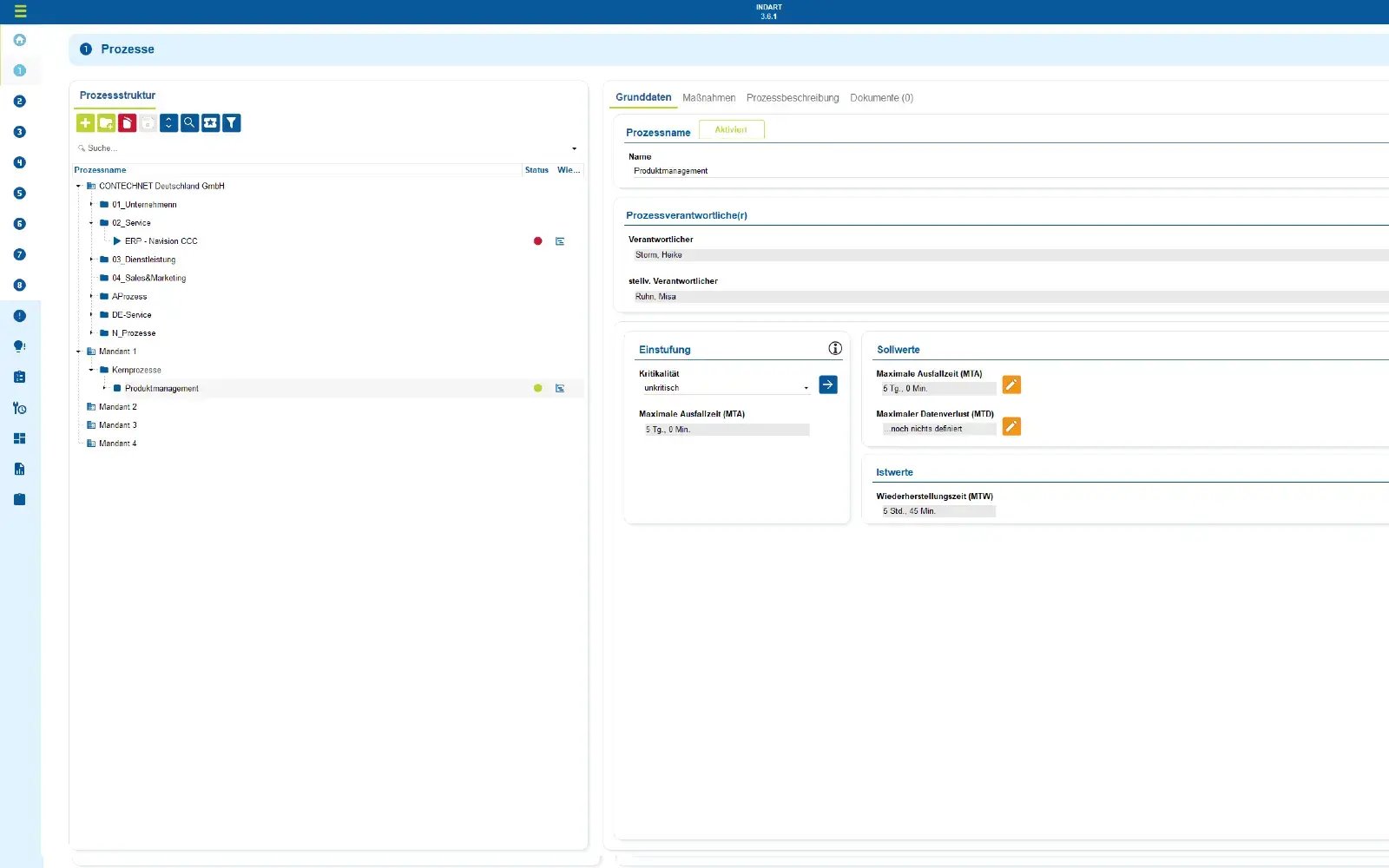
Create your emergency concept and store all relevant information. Record your business processes and classify their criticality.
Describe these processes and add supporting documents. Define process owners and derive measures for the respective processes.
You can structure the processes freely. Structure the processes using folders to simplify the overview and add IT services or basic services.

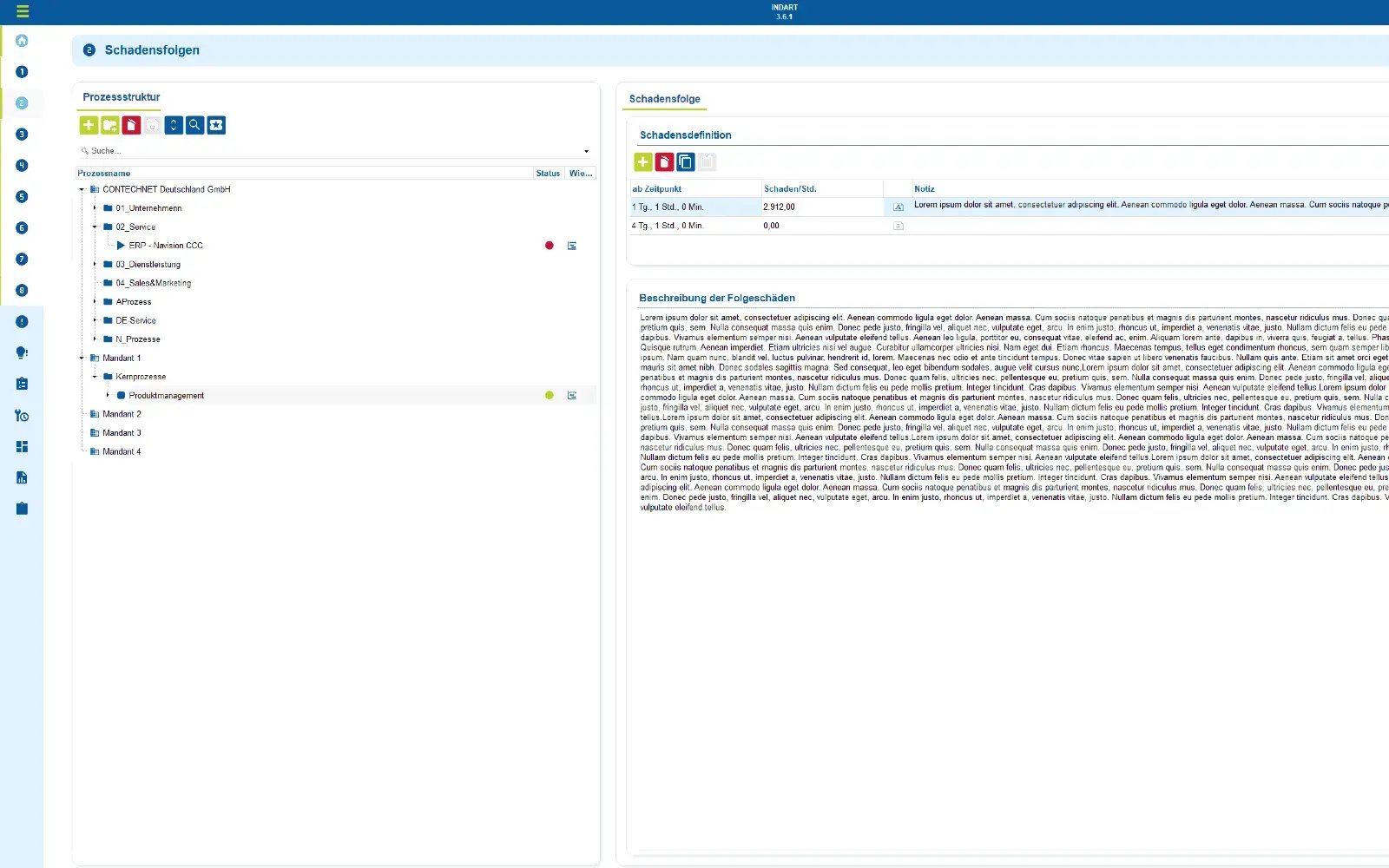
2. Definition
Define the extent of potential damage and the monetary impact caused by the failure of a process.
Define the consequences of damage for each process individually. This data is assigned to the processes and output in the emergency manual.

3. Legal requirements
In this area, you have the option of storing legal requirements for certain emergency situations or linking them individually to the processes.
You can easily copy legal requirements to other processes.

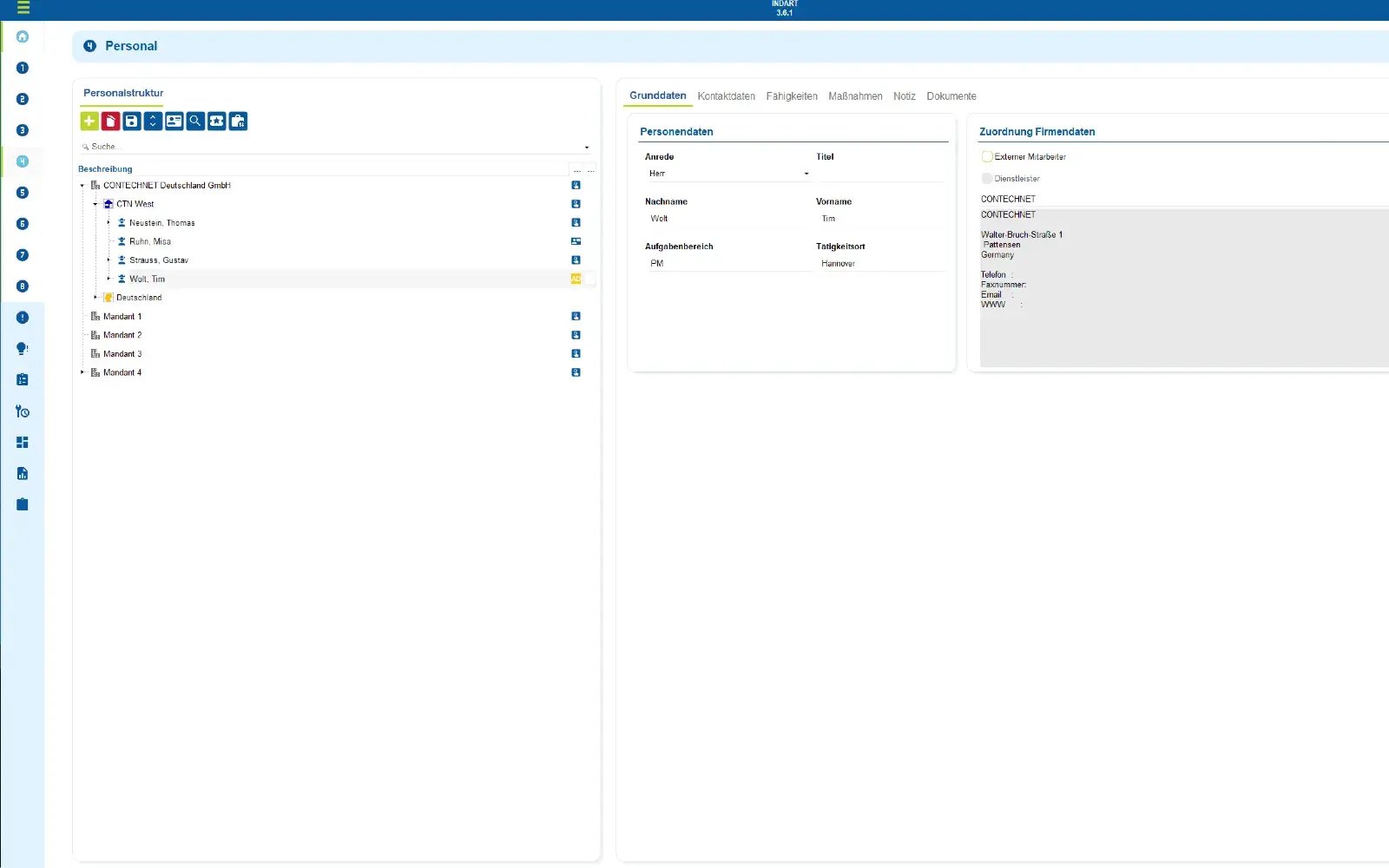
4. Responsibilities
Set up the personnel hierarchy with your responsibilities for restoring the IT systems and for management in the event of an emergency. Define a crisis team and an emergency team individually for each process.
You can create the personnel manually or import them via Active Directory, Entra ID or other interfaces. If you are already using other GRC Suite modules, you can access the existing personnel inventory.

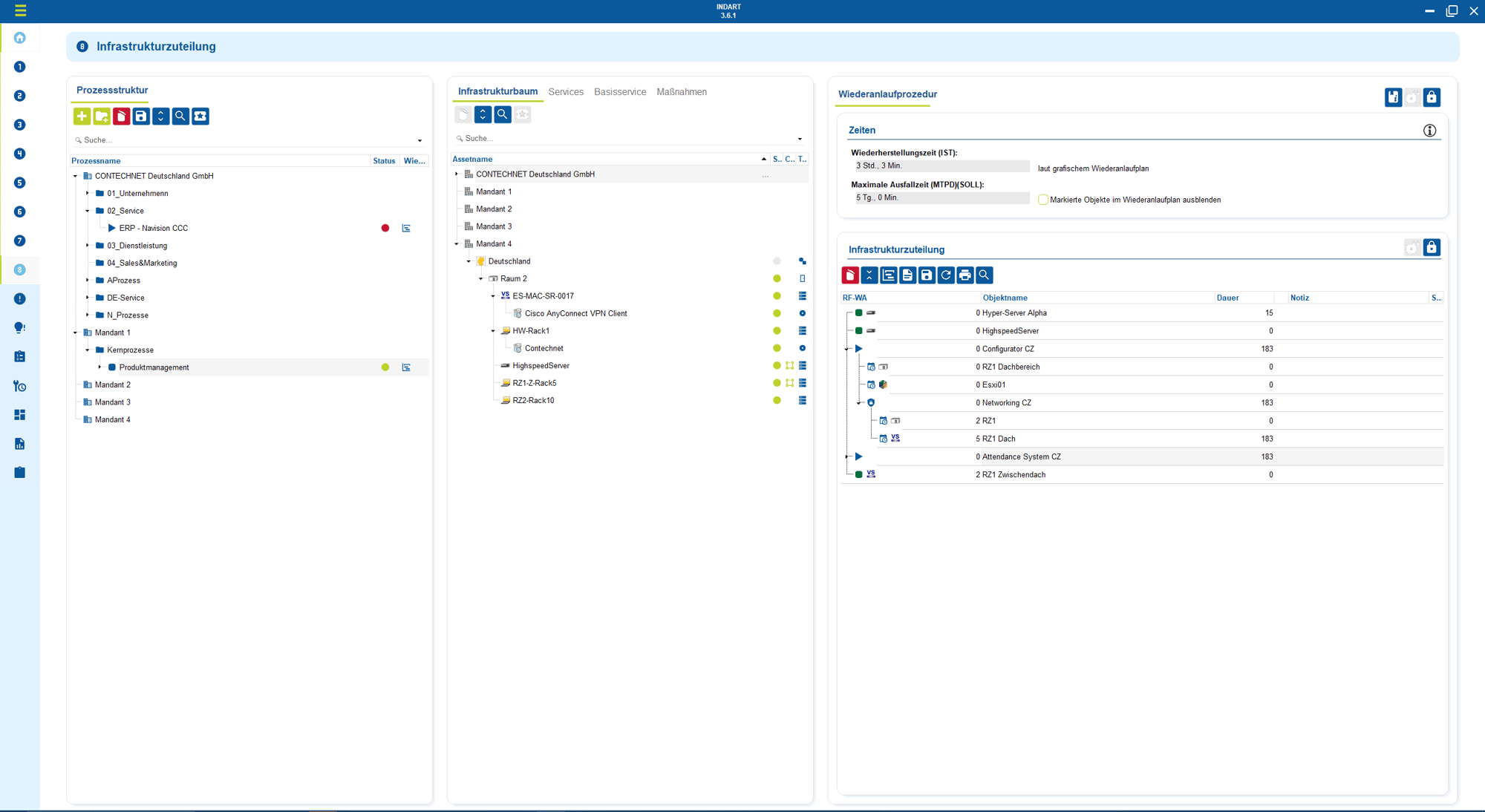
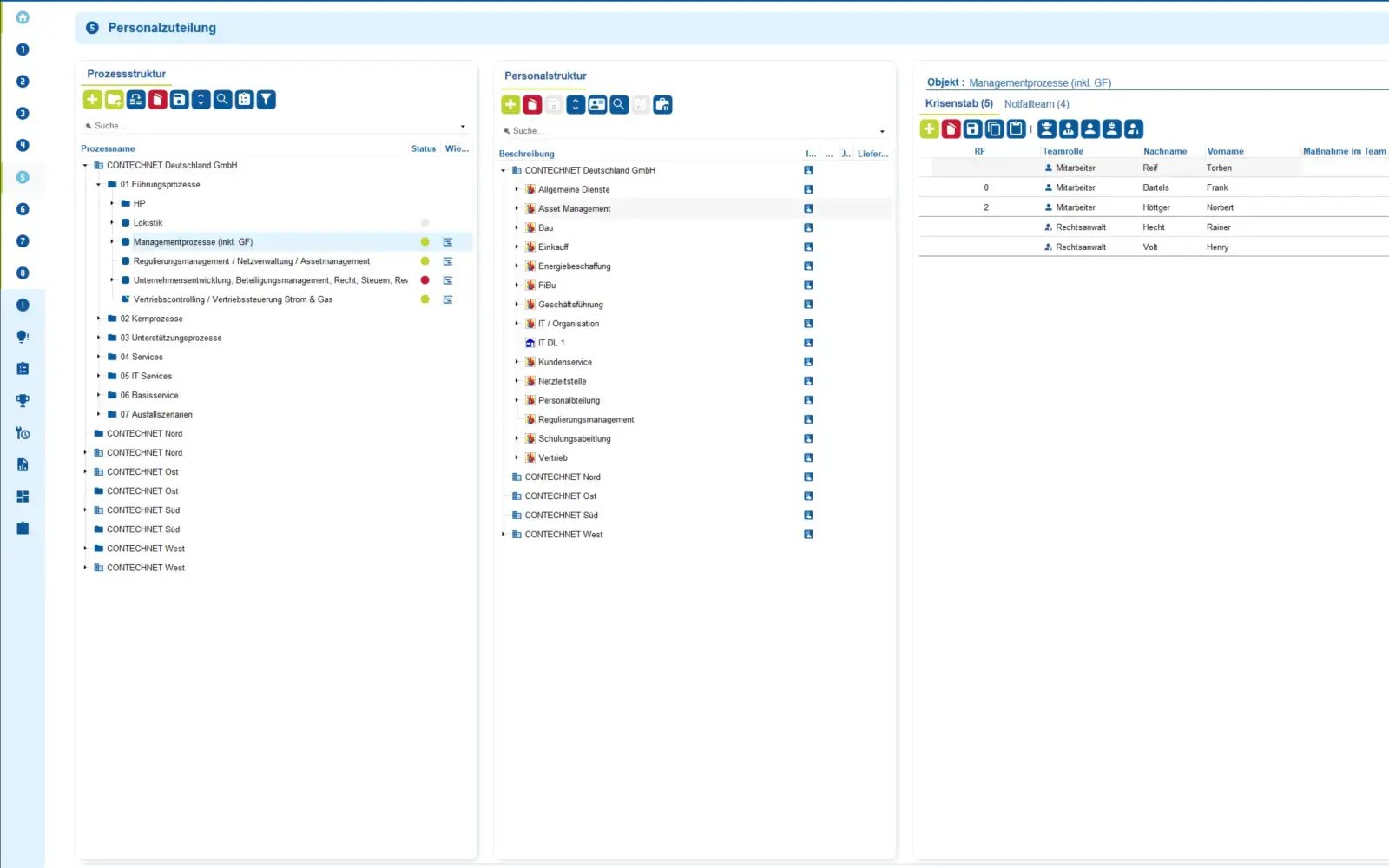
5. Assignment
This is where you merge the individual processes with the personnel. You have the option of assigning internal and external employees to the crisis teams and emergency teams.
You can define the crisis team and emergency team on a cross-process basis by client or individually for each process.
If a person relinquishes their responsibilities for processes, measures or team memberships, you can easily assign them to another person.

6. Documents
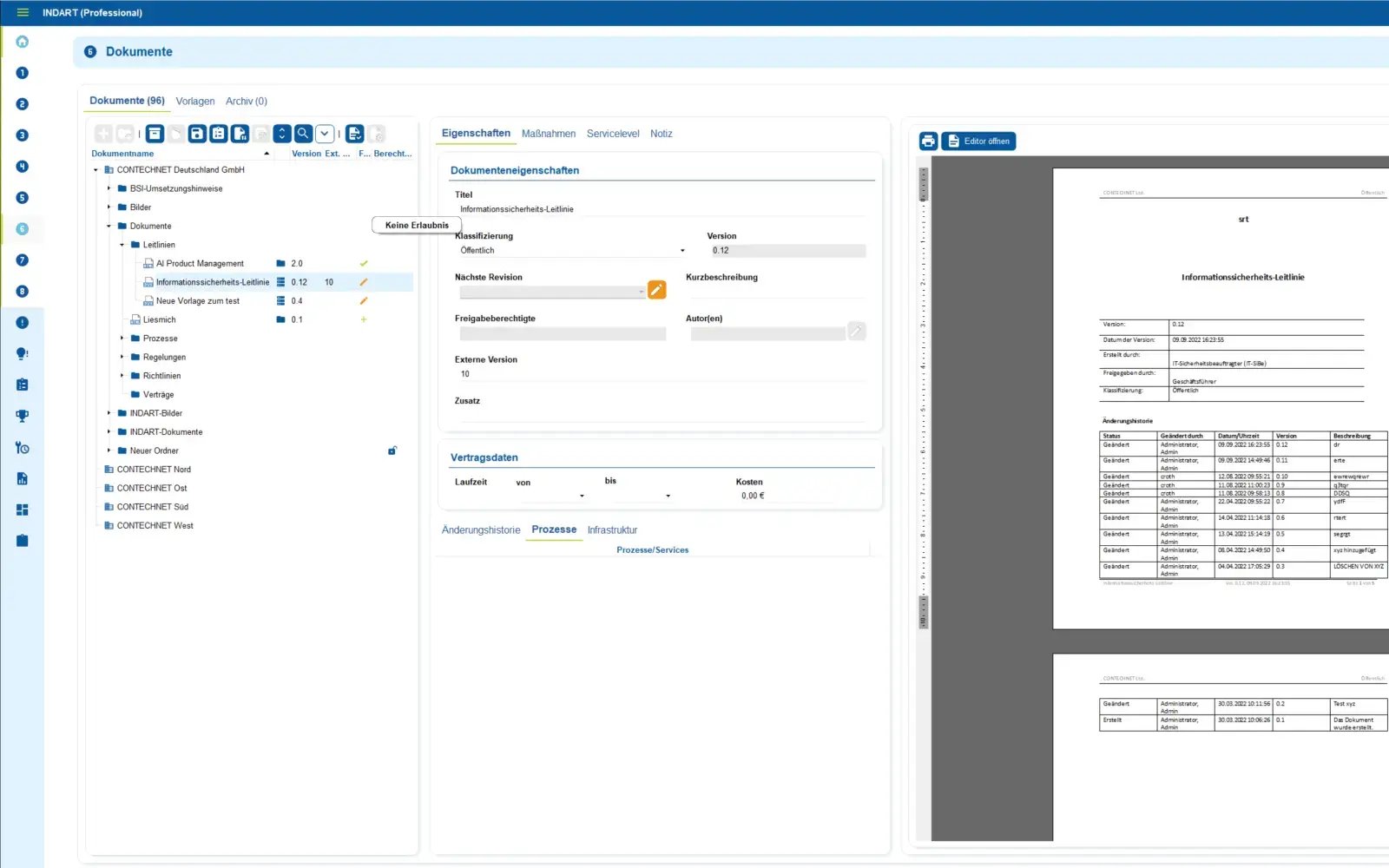
Capture documents relevant to emergency planning (e.g. manuals & license certificates) and images (e.g. site & room plans) and import them into the emergency system.
You can structure, update or create new documents.
In this area, you can also define measures for documents, store service times and contract periods, which can later be directly evaluated using analysis tools and clearly displayed via dashboards.

Use cases
Use cases relating to ISMS, risk and compliance management

You control audits centrally, plan audits, document results and automatically generate audit reports.

You can manage documents in an audit-proof manner, version and edit them directly in the tool and use templates and import functions.

i-doit supports GAP analyses according to standards such as ISO 27001, ISO 9001 or NIS2, including maturity level assessment, responsibilities and document assignment.

You evaluate and manage suppliers centrally, document contracts and maintain contact details and replacement suppliers.

You derive measures, distribute tasks, track deadlines and receive automatic notifications by e-mail.

You document and evaluate security incidents in accordance with ISO and NIS2, assign affected assets and centrally derive measures.

Book your personal live demo
Our i-doit team will be happy to take the time to advise you personally on your application.
FAQs about i-doit INDART
Everything you need to know about your emergency management
IT contingency planning ensures that companies remain capable of acting even in the event of IT failures, cyberattacks or technical faults. As almost all business processes depend on IT systems, structured IT contingency planning is crucial to avoid business interruptions, financial losses and reputational damage.
Manual emergency plans in documents or tables are often confusing, quickly become outdated and do not adequately reflect complex dependencies.I-doit INDART digitizes IT emergency planning, links processes, systems and responsibilities and ensures permanently resilient emergency concepts through automatic updates.
i-doitINDART maps business processes, IT infrastructure and personnel centrally. Data is automatically imported via interfaces, failures are realistically simulated and tailor-made recovery plans are created. In an emergency, these plans can be activated immediately - in a structured, comprehensible and efficient manner.
In an emergency, i-doit INDART:
- rapid identification of critical processes
- Clear responsibilities and escalation paths
- immediately available restart plans
- a structured decision-making basis for crisis teams
This saves valuable time and stabilizes business operations in a targeted manner.
Yes -i-doit INDART supports companies in implementing standard-compliant IT contingency planning in accordance with ISO 27001 and BSI Standard 100-4. The integrated analysis and reporting functions provide meaningful evidence for audits, reviews, auditors and cyber insurance companies.
The solution documents roles, responsibilities and necessary competencies transparently. This avoids so-called head monopolies and critical knowledge remains available even in the event of illness, vacation or staff changes.
i-doit INDART is suitable for:
- medium-sized and large companies
- public administrations
- Organizations with high compliance requirements
Companies that want to increase their IT resilience, reduce business continuity risks and professionalize their IT contingency planning in the long term will benefit in particular.