Skip to content

Industrial companies

Software, use cases & solutions

Industrial companies work with complex technical structures: machinery, production lines, buildings, supply networks, IT systems, sensors, plant control systems, safety components and a multitude of maintenance and testing processes. At the same time, documentation obligations, quality standards, audit specifications and compliance requirements must be reliably fulfilled - often across multiple locations. With i-doit, industrial companies have a central platform to map their entire technical infrastructure in a clear and comprehensible manner.

rating-stars-transparent-white 4.7/5 on Capterra | 2,000+ satisfied customers
use-cases-industries-industry-header

Use cases

i-doit use cases for your documentation needs

Network and cabling management

You document active and passive network elements including cabling, port assignment, IP addresses and configurations centrally and comprehensibly.

View use case

Software and license management

You record and analyze software and licenses, monitor runtimes, users and authorizations and avoid license violations and unnecessary costs.

View use case

Reporting and auditing

You analyze your IT infrastructure, identify documentation gaps and create location, user or cost centre-related reports and audit PDFs.

View use case

Contract management
Contract management

You document and manage contracts centrally, link them to objects and responsible parties and are automatically informed about deadlines and terms.

View use case

Life cycle management

They document maintenance and lifecycles, make changes traceable, automate processes and keep track of responsibilities and warranty periods.

View use case

Location management
Location management

You document locations, rooms and infrastructure, link these to contact persons and also visualize server rooms clearly.

View use case

Solutions for production / manufacturing companies

In production areas, machines, plant control systems, sensors, IT, safety technology and building structures must interact smoothly. i-doit supports this complex daily routine by recording and linking all production machines, rooms, control systems and technical components in a structured manner. This allows maintenance to be planned, failures to be localized more quickly and expansions to be prepared in a well-founded manner.

Documentable:

  • All machines, systems and production units are fully recorded and clearly assigned to their locations, rooms, lines and IT systems.
  • Maintenance cycles, inspection intervals and safety-relevant processes are fully documented.
  • Technical dependencies between machines, energy supply, IT and infrastructure are clearly visible.

Advantages:

  • The entire production process becomes traceable and plannable
  • Failures can be localized more quickly because all connections and responsibilities are clearly visible.
  • Planning, expansions and modernization are made considerably easier thanks to a central database.
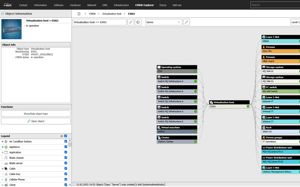
use-case-bahn-virtualization-host

Solutions for manufacturing & retail companies

Companies that both manufacture and trade manage an extremely heterogeneous technical landscape: machines, tools, measuring equipment, warehouse technology, means of transportation, access systems, IT, buildings and digital goods processes. These areas must interlock to ensure that material flows, production processes and trading processes function reliably. i-doit creates a central platform that makes all these structures visible and controllable.

i-doit maps the complete equipment of a company - from processing machines and hand scanners to servers, software, warehouse technology and packaging systems. Rooms, routes, equipment, systems and responsible persons are clearly linked. As a result, technical problems can be classified more quickly, support services can be provided more efficiently and commercial processes can run more smoothly. A stable database is also created for audits, certifications and supply chain requirements.

Documentable:

  • Tools, machines, measuring devices and their inspection and maintenance history are stored centrally.
  • Rooms, buildings, infrastructure and supply routes are clearly documented.
  • IT systems, control systems and networks are linked to the production areas.

Advantages:

  • Technical inventories are transparent and easy to find at all times.
  • Maintenance and inspections are more reliable as all relevant information is available in a structured form.
  • Processes become more efficient as responsibilities and dependencies are clearly documented.
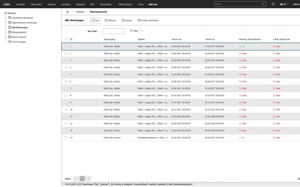
use-case-maintenance-patch

Solutions for processing companies

Processing industries - such as food, chemicals, metals or plastics - work with highly specialized machines and systems that must meet strict quality, safety and documentation requirements. Process control, temperature control, air technology, water, energy, IT and safety technology are closely interlinked. i-doit creates structure and transparency across this entire technical landscape.

All process machines, plant modules, supply systems, test equipment, rooms, IT systems and safety components are recorded completely and comprehensibly. This creates a central source of information for quality management, fault analyses, audit preparations and maintenance. Responsibilities are clearly documented, test reports can be called up at any time and technical dependencies can be traced quickly and clearly.

Documentable:

  • Processing machines, process systems, testing technology and rooms are centrally recorded and clearly assigned.
  • Maintenance processes, quality certificates, test reports and responsibilities are fully documented.
  • Energy supply, IT systems and infrastructure are linked to the technical processes.

Advantages:

  • Technical processes are controlled in a traceable and secure manner.
  • Quality assurance benefits from complete, auditable documentation.
  • Optimizations and modernizations can be planned in a targeted manner and implemented more effectively
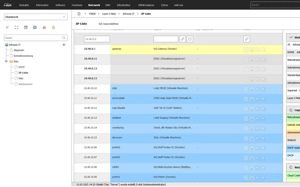
use-case-iplist-network

Suitable add-ons

Our add-ons for modular function expansion

add-on-flows-box
i-doit Add-on Flows

Create powerful automations without programming knowledge, simply start them on a schedule or manually at the touch of a button.

See more

add-on-smart-bundle-box
i-doit Add-on Smart Bundle

Get 4 powerful add-ons for the price of 2! Flows, Documents, Analysis and Forms.

See more

add-on-documents-box
i-doit Add-on Documents

Automatically create documents as PDFs with daily updated data (e.g. hardware handover certificate or disaster recovery plan).

View more

add-on events box
i-doit Add-on Events

Automate the operation of your data center with the latest data from the CMDB. Events trigger and control further processes.

See more

add-on-maintenance-box
i-doit Add-on Maintenance

The maintenance add-on supports the planning, execution and documentation of maintenance and inspections. Maintenance intervals, dates and responsibilities are managed centrally and linked directly to the respective devices, installations or systems.

View more

add-on-api-box
i-doit Add-on Api

With the API add-on, data can be automatically read, written and updated in i-doit. Perfect for integrations with ticket systems, inventory tools or your own automations.

See more

add-on-analysis-box
i-doit Add-on Analysis

Add-on for powerful data analysis. Calculate service costs, check the data quality of the CMDB and carry out failure simulations.

See more

add-on-forms-box
i-doit Add-on Forms

Easily create forms that you can make available to users for simplified data entry. Example: Allow users to document hardware or goods themselves.

View more

add-on-isms-box
i-doit Add-on ISMS

Set up an information security management system with risk analysis and management in accordance with ISO 27001.

View more

add-on-checkmk2-box
i-doit Add-on Checkmk2

Integrate the Checkmk2 monitoring system into i-doit. This supports comparisons between TARGET and ACTUAL from CMDB and monitoring.

See more

add-on-trigger-box
i-doit Add-on Trigger

Store buttons with your own triggers and start IT processes directly from i-doit - e.g. the automatic deployment of a virtual machine.

See more

add-on viva2-box
i-doit Add-on VIVA2

With this add-on, you can create an information security management system (ISMS) in accordance with the BSI's IT baseline protection methodology.

View more

Contact (1)

Book your personal live demo

Our i-doit team will be happy to take the time to advise you personally on your application.
Applications for infrastructure companies

Compliance (KRITIS, ISO27001 and NIS-2)

Ensure compliance with laws, standards and guidelines.

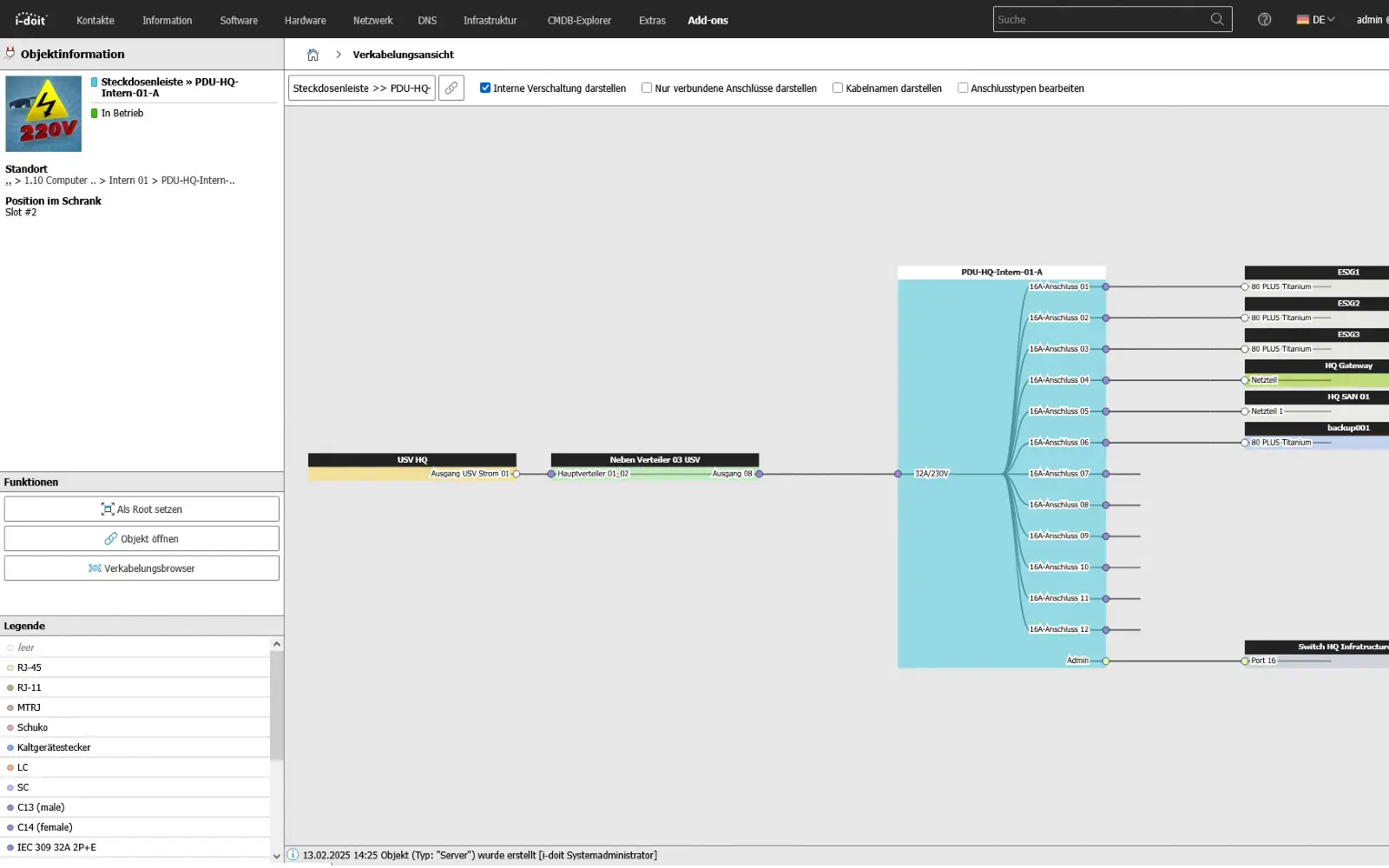
Secure critical infrastructures transparently. With i-doit, risks according to ISO 27001 can be systematically recorded, evaluated and linked to the affected assets. This creates a transparent basis for the verification of security measures and the implementation of NIS2 requirements. Technical and organizational measures (TOMs) are centrally documented, monitored and maintained in an audit-proof manner.

Advantages:

  • Auditable infrastructure
  • Audit-proof recording in accordance with NIS2 & ISO-27001 & BSI-KritisV
  • Strengthening of information security
  • Implementation of PDCA processes
  • Faster response in the event of an incident or crisis
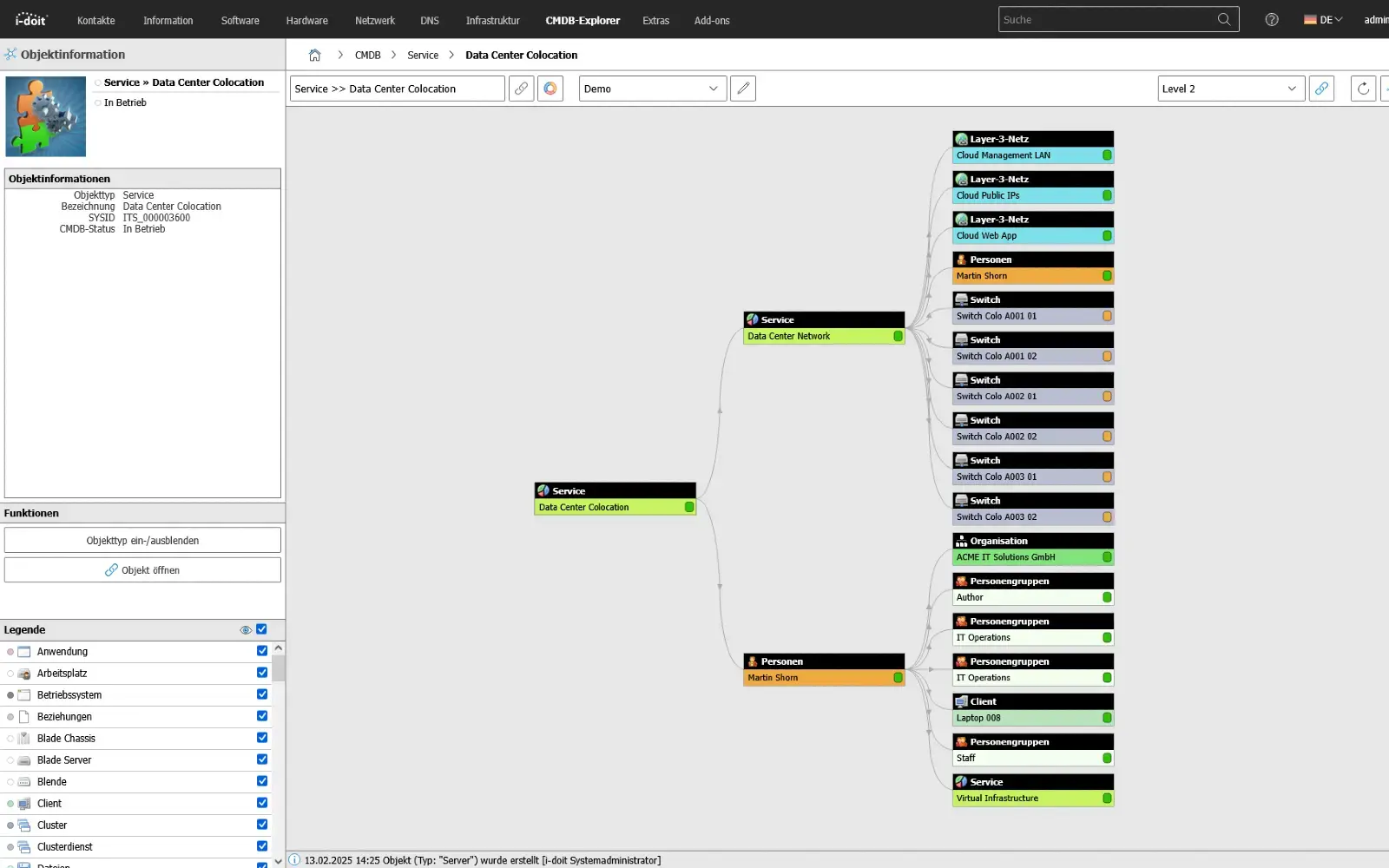
use-case-cmdb-explorer-datacenter

Ticketing - Central process control

Link processes and associated assets.

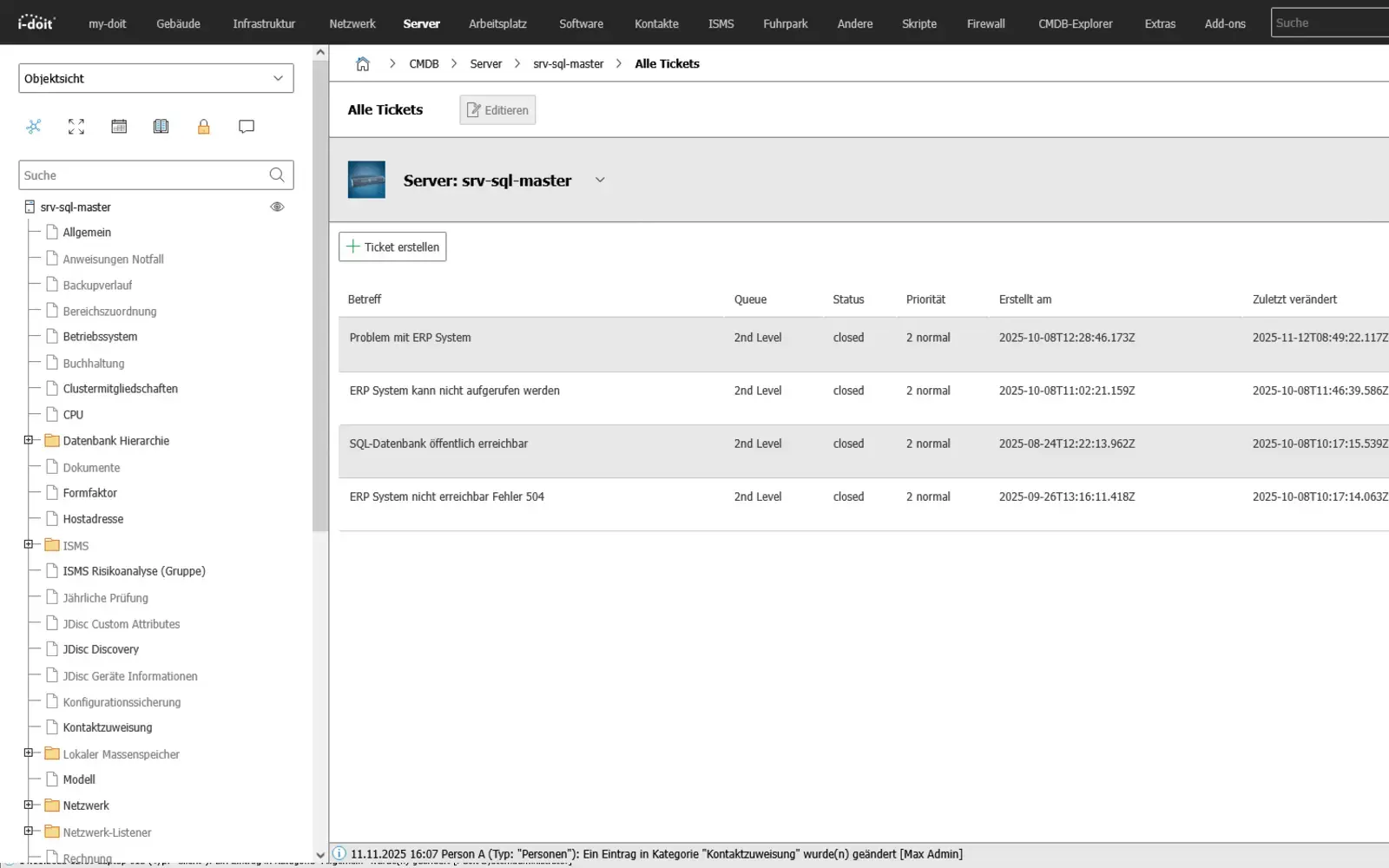
Control IT service processes efficiently and transparently. With the integration of ticket systems in i-doit, you can bundle all processes in one place. From fault reports and change requests to service requests. The link to your assets, contracts and responsibilities creates a central information base for the entire IT operation.

Tickets are documented in a traceable manner, automatically classified and can be prioritized, delegated and closed using defined workflows. This creates a smooth process between technology, organization and support.

Advantages:

  • Standardized control of all IT processes
  • Clear responsibilities and faster response times
  • Seamless traceability of changes and measures
  • Direct connection to CMDB objects and documentation
  • Basis for key figures, evaluations and process optimization
use-case-cmdb-ticketing

Live status from monitoring

Integrate live data into IT documentation

Efficient monitoring ensures that your IT systems are available and transparently documented at all times. With i-doit, monitoring data can be transferred directly into the CMDB. Devices, hosts and services are automatically synchronized and kept up to date. This gives you an overview of the status and life cycle of your entire infrastructure.

By linking monitoring information with the IT documentation, you can detect failures at an early stage, track changes to devices or services and analyze dependencies in a targeted manner. i-doit not only makes monitoring data visible, but also forms the basis for data-driven decisions.

Advantages of infrastructure monitoring with i-doit:
  • Automatic synchronization: devices, hosts and services from the monitoring are directly synchronized with the IT documentation - without double maintenance effort.
  • Up-to-date system overview: All status information, runtimes and changes are visible in the CMDB at all times.
  • Fast error detection: Failures and faults are recorded immediately and displayed in the documentation.
  • Life cycle transparency: Changes, maintenance and replacement times can be tracked seamlessly.
  • Linked information: Monitoring data is in the context of services, contracts, locations or responsible parties.
  • Better basis for decision-making: The combination of real-time data and documentation creates a complete picture of your IT landscape.
  • Efficiency and compliance: Less manual work, reduced risk of errors and clean evidence for audits and certifications.
use-case-cabling-3

Automatic network inventory

Complete and up-to-date recording of IT infrastructure.

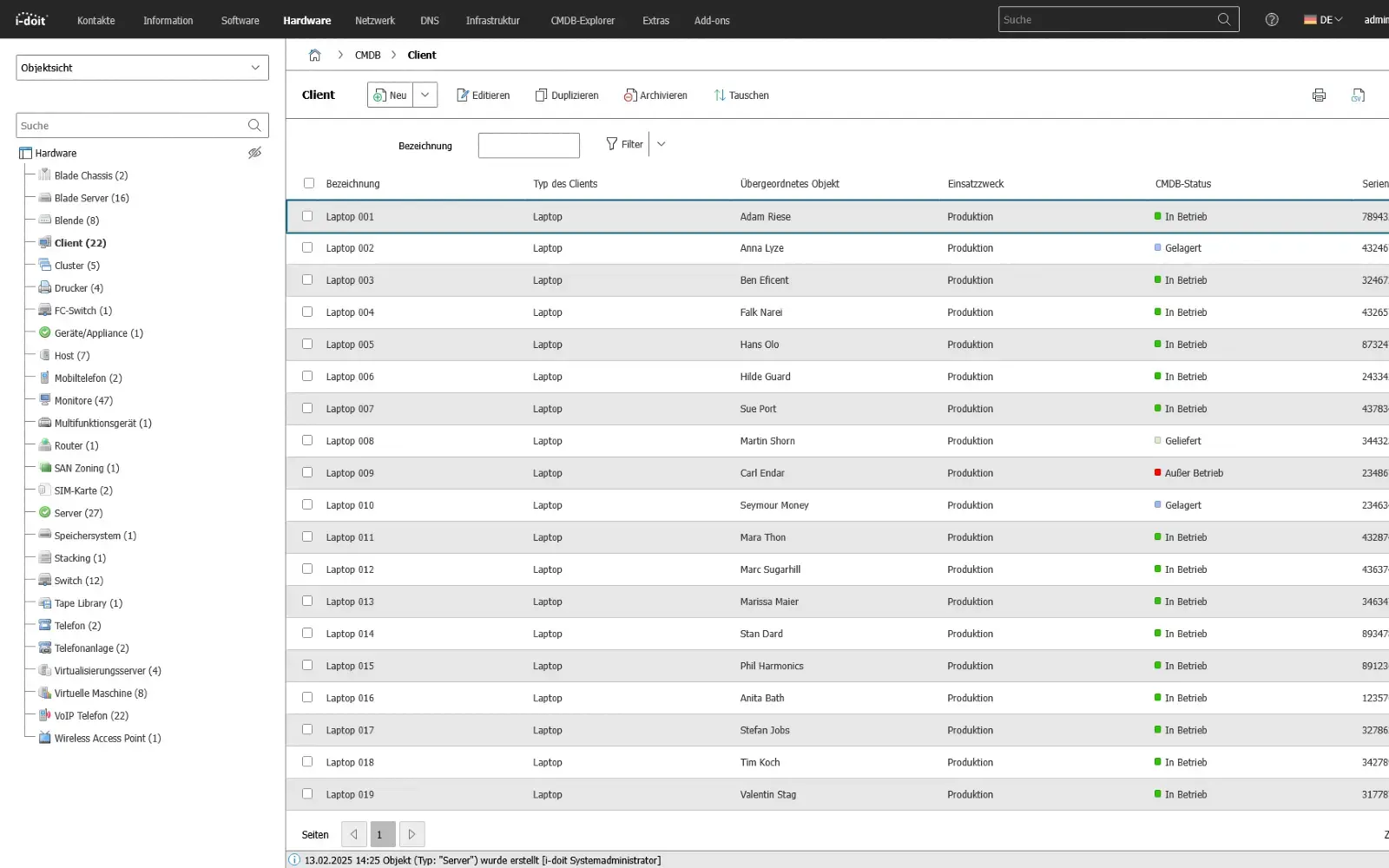
With the automatic network inventory, all devices, systems and software installations in your network are regularly detected, recorded and synchronized with i-doit. This creates an up-to-date and complete CMDB - without any manual effort.

By connecting tools such as JDisc, OCS Inventory or Baramundi, all relevant information - from hardware data and installed software to IP addresses and ports - can be centrally managed and evaluated. Changes in the network are automatically detected and documented in a versioned format.

Advantages:

  • Complete and up-to-date IT database without manual effort
  • Automatic detection of changes in the network
  • Seamless integration with the i-doit CMDB
  • Basis for audits, compliance and IT documentation
  • Significant time savings for inventory and IT reporting
use-case-CMDB-client-status

API usage - exchange data intelligently with other systems

Synchronize data between any applications and systems

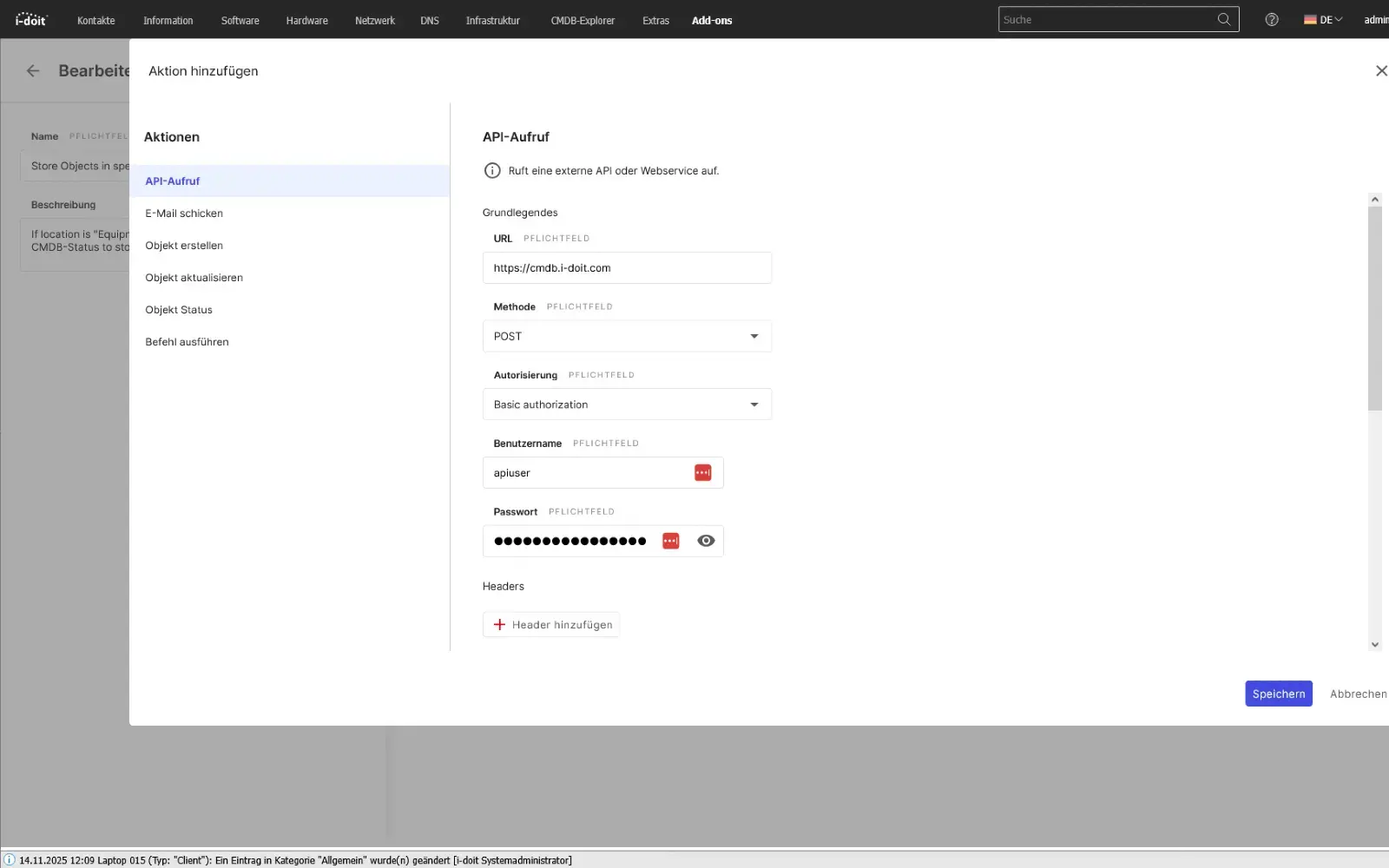
With the i-doit API, you can seamlessly connect your CMDB to existing applications, services and automations. Whether ticketing, monitoring, discovery, asset management or your own business tools: Data can be exchanged bidirectionally, updated and processed in real time. This creates a central information point that connects different systems with each other and considerably simplifies processes.

Configurations, status values, object data and relationships can be automatically transferred to or from external systems. Changes made in a connected system can be immediately mapped in the CMDB - without manual effort and without duplicate data storage.

The API enables companies to flexibly expand their processes, automate workflows and make information available exactly where it is needed.

Advantages:

  • Automatic data exchange between CMDB and third-party systems
  • Bidirectional synchronization of assets, status values, relationships and metadata
  • No duplicate maintenance thanks to a central, standardized data source
  • Flexible integration into existing software landscapes and specially developed tools
  • Automation of processes (e.g. creation of new tickets, discovery updates, monitoring alerts)
  • Higher data quality, as information is always kept up-to-date and consistent
  • Optimal basis for processes, reporting, audits and ITSM workflows
use-case-api